

Waterfront infrastructure is entering a new phase of evolution. Increasing environmental pressures, changing operational requirements, and the modernization of marina facilities are redefining how marina systems are designed and engineered.
Today’s marina infrastructure must do more than provide mooring capacity. It must deliver long-term structural reliability, operational efficiency, adaptability, and resilience in increasingly dynamic waterfront environments.
At Structurmarine, this evolution is shaping the way marina systems are engineered, installed, and integrated into complex marine environments.
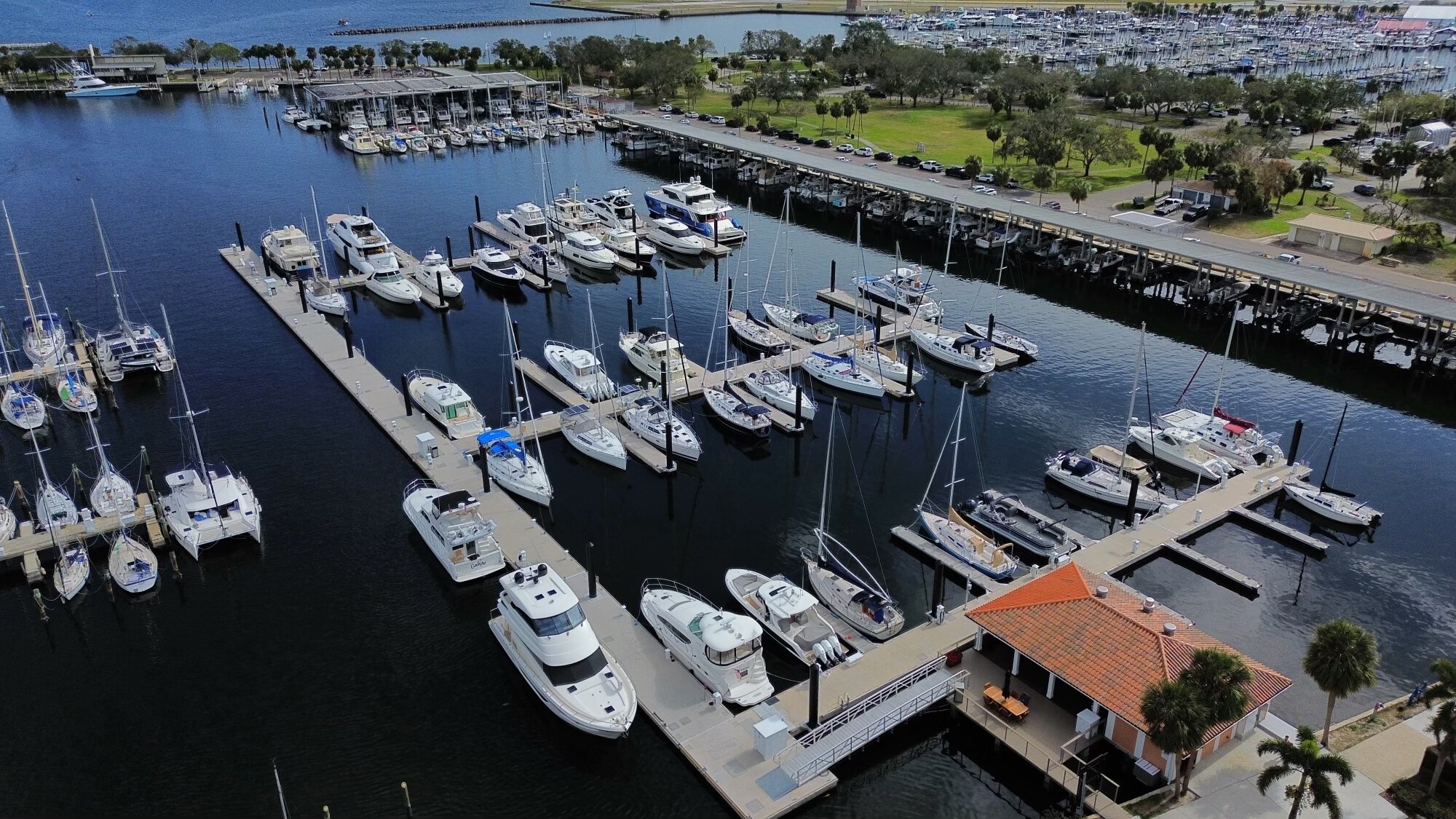
ST.PETERSBURG YACHT CLUB, FLORIDA (USA) | PHOTO CREDIT MARINA DOCK AGE
Hybrid Marina Systems: Combining the Advantages of Aluminum and Concrete
Hybrid marina systems are becoming an increasingly effective solution for modern waterfront projects. By combining aluminum floating dock structures with concrete elements, marina infrastructure can leverage the strengths of both materials within a single integrated system.
Aluminum offers significant advantages in terms of modularity, corrosion resistance, installation flexibility, and reduced structural weight. Concrete contributes stability, mass, and durability, particularly in environments exposed to waves, heavy traffic, or demanding operational conditions.
Rather than relying on a single structural approach, hybrid systems allow marina configurations to be optimized according to site-specific requirements, operational priorities, and environmental constraints.
This integrated engineering methodology supports:
- Improved long-term structural performance
- Greater adaptability to waterfront conditions
- Reduced lifecycle maintenance requirements
- Efficient installation and future scalability
Hybrid systems are not simply a material combination, they represent a performance-driven approach to marina engineering.
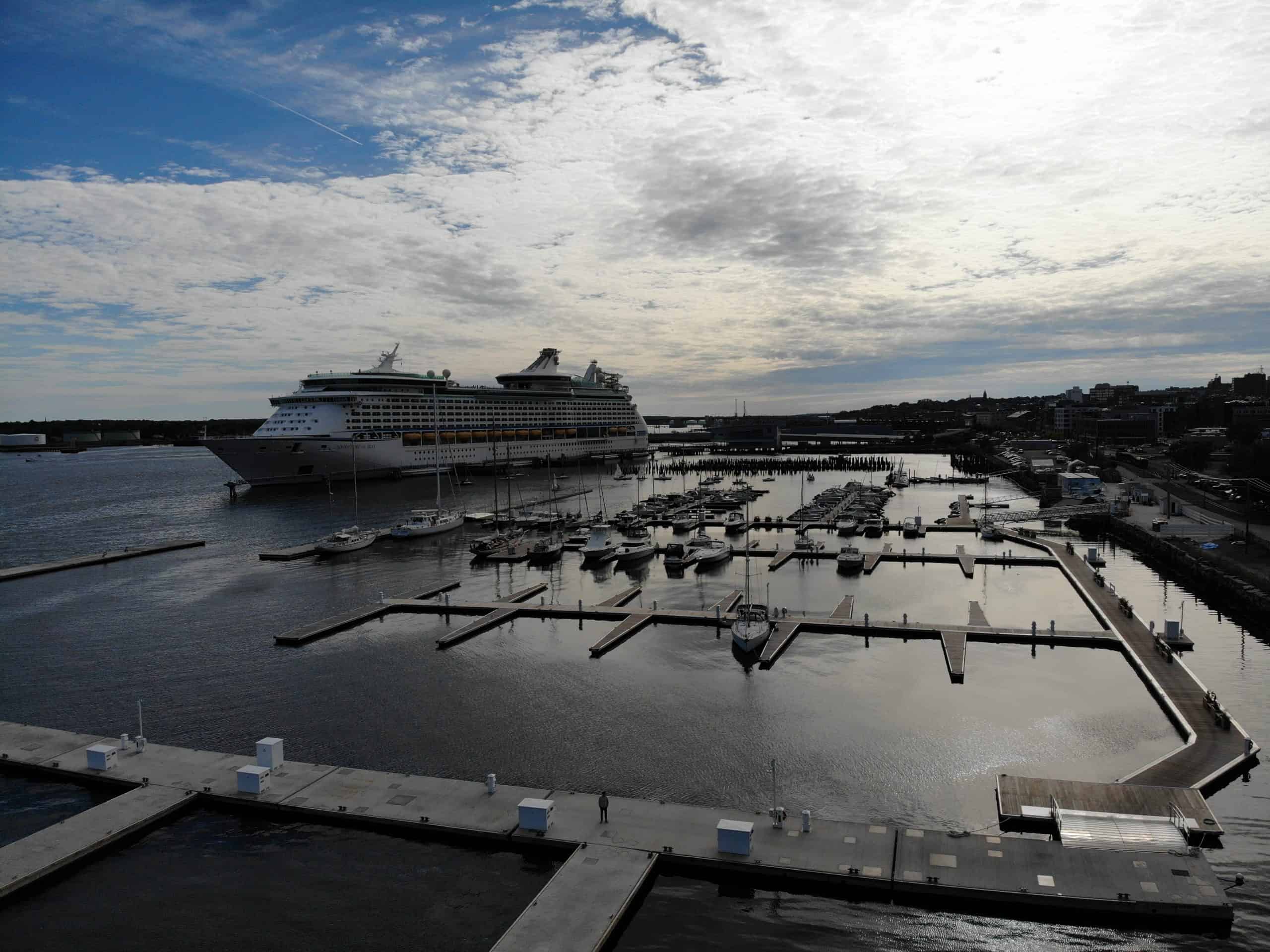
FORE POINTS MARINA, MAINE (USA)
Climate Resilience Is Reshaping Marina Design
Climate variability is increasingly influencing waterfront infrastructure worldwide. Rising water levels, stronger storm activity, seasonal ice conditions, and fluctuating environmental loads are becoming critical design considerations for marina projects.
As a result, resilience is now a central component of marina engineering.
Modern marina systems must be capable of:
- Absorbing and redistributing dynamic loads
- Maintaining structural integrity under changing conditions
- Adapting to long-term environmental variability
- Supporting continuous operational performance during demanding events
This shift is driving the industry toward infrastructure solutions that combine structural strength with adaptive resilience.
At Structurmarine, engineering decisions increasingly integrate long-term environmental realities directly into project development, from anchoring strategies to floating system configurations and layout optimization.
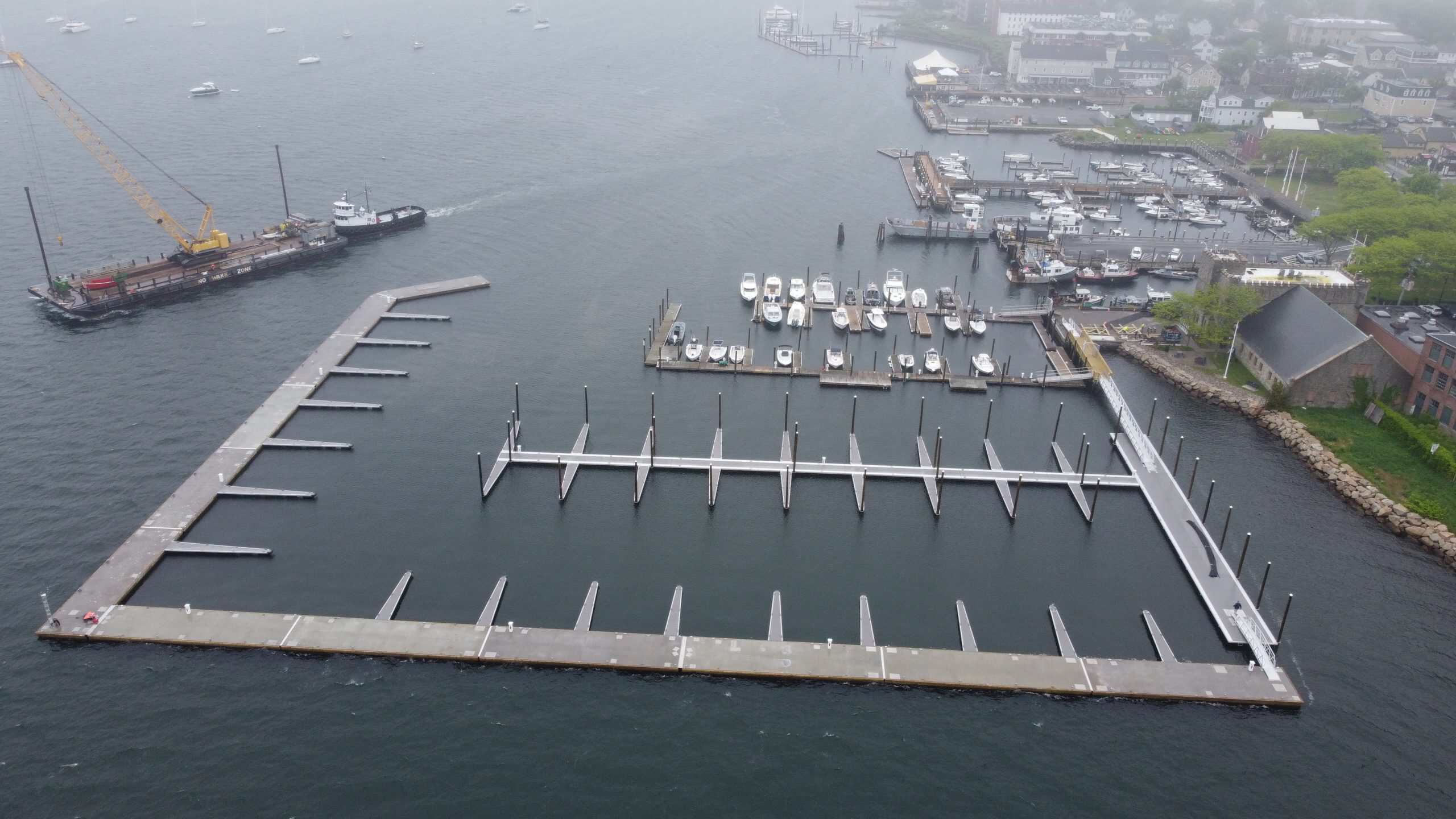
TOWN OF BRISTOL, RHODE ISLAND (USA)
Innovation Driving the Next Generation of Marinas
Innovation is also transforming how marina infrastructure is designed for future waterfront demands.
The industry is moving toward:
- Shore power integration
- Electrification readiness for hybrid and electric vessels
- Smarter service distribution systems
- Advanced anchoring technologies
- Modular construction methodologies
These innovations improve operational flexibility while supporting environmental objectives and long-term infrastructure efficiency.
Equally important, modular engineering approaches allow marina systems to evolve over time as operational needs, vessel technologies, and waterfront expectations continue to change.
Designing marina infrastructure today increasingly means designing for adaptability tomorrow.
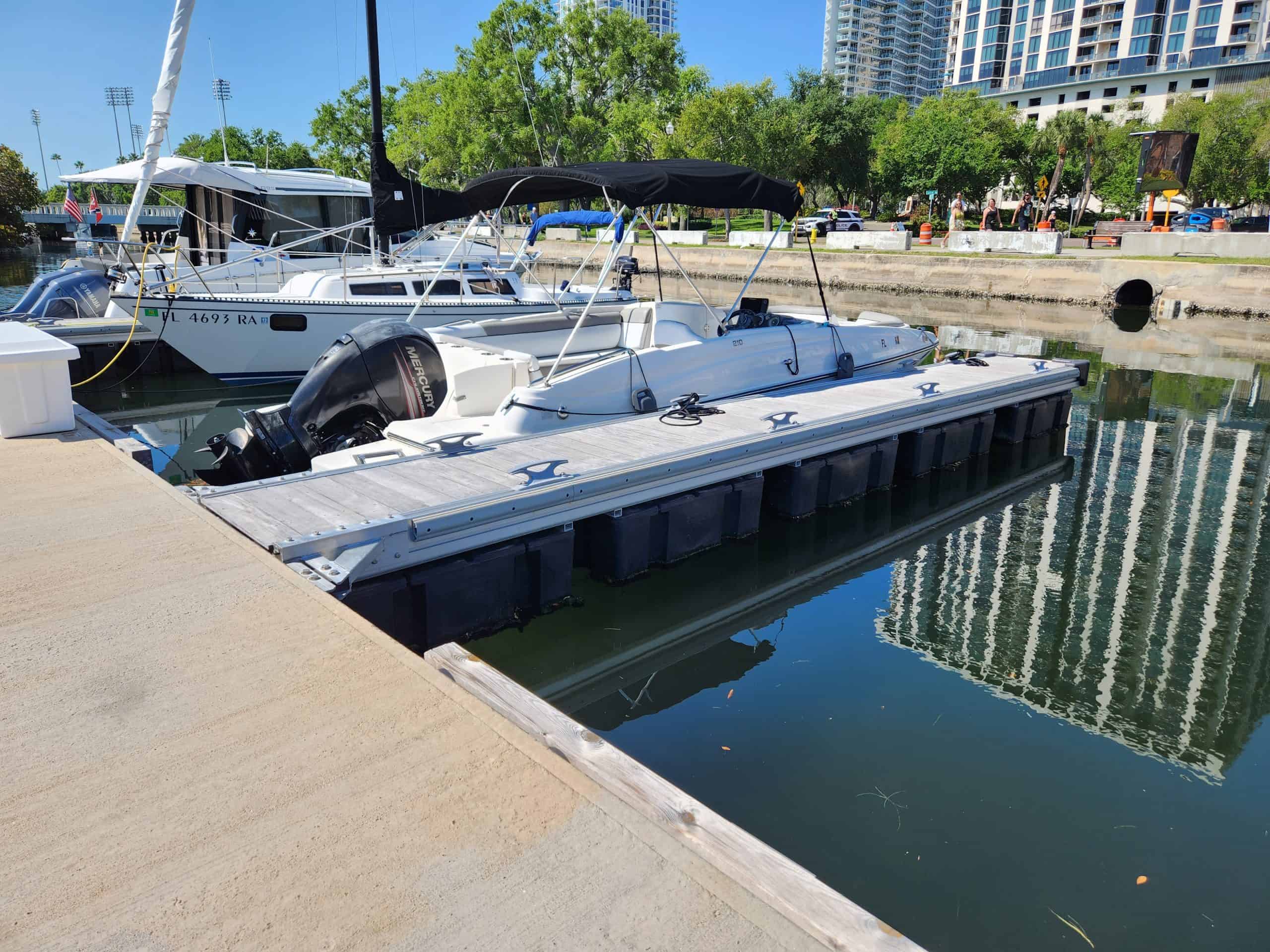
ST.PETERSBURG YACHT CLUB, FLORIDA (USA)
Structurmarine Projects: Engineering Applied in Real Conditions
The practical application of these principles can be seen across Structurmarine projects developed in a wide range of waterfront environments.
Projects such as Fore Points Marina, Church Street Marina, and St. Petersburg Yacht Club demonstrate how engineering strategies are adapted to real-world marine conditions while maintaining a focus on performance, durability, and operational reliability.
Each project reflects a collaborative engineering process designed to align:
- Site-specific environmental conditions
- Operational requirements
- Structural performance objectives
- Long-term maintenance considerations
This field experience continues to shape Structurmarine’s broader vision for marina infrastructure: creating waterfront systems capable of performing reliably today while remaining prepared for tomorrow’s evolving environmental and operational realities.
As waterfront development continues to evolve, the integration of performance, resilience, and innovation will remain central to the future of marina engineering.
